
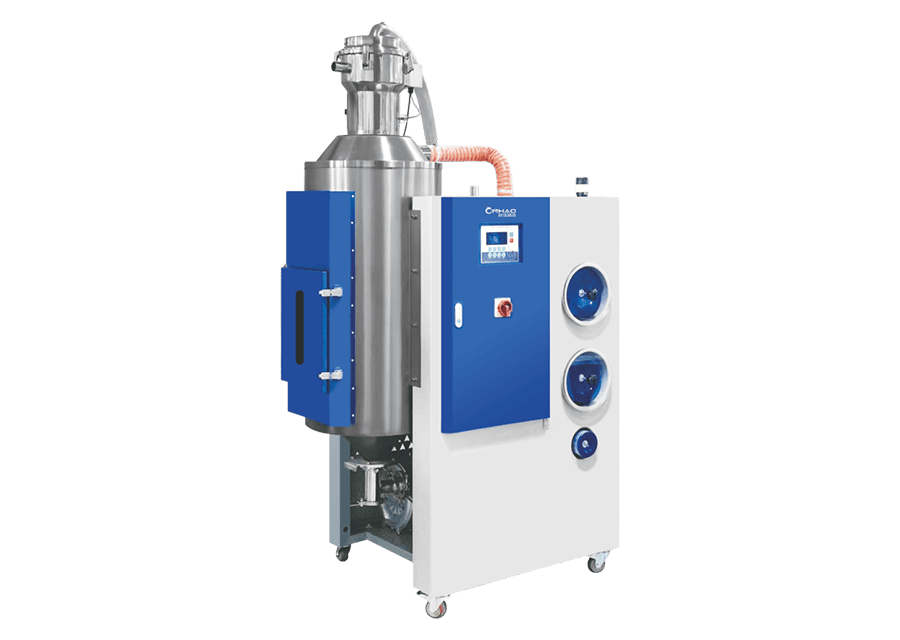





Water vs. Oil Mold Temperature Controller: How to Choose the Right TCU

Water-type or oil-type mold temperature controller? The wrong choice means either a TCU that cannot reach the required temperature — or one that costs far more than necessary. Here is how to decide.
The Fundamental Difference
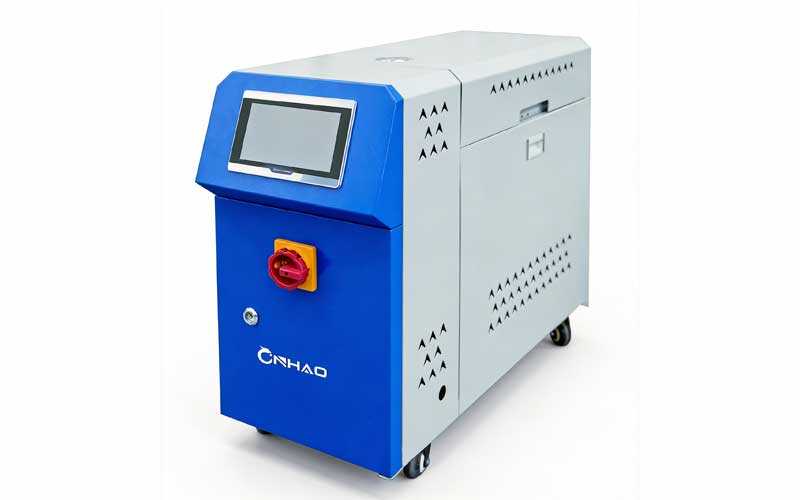
Water-type TCUs use water as the heat transfer medium, limited to approximately 120°C. Oil-type units use thermal oil with a boiling point above 300°C. But temperature range is just the start. Water has double the specific heat capacity of oil (4.2 vs ~2.0 kJ/kg·K), meaning faster thermal response and lower pump energy.
When to Use Water-Type
Water units are correct when mold temperature is 120°C or below — which covers PP, PE, PS, ABS, PC, PA6, PA66, POM, PBT and most filled grades. They cost 30–50% less to buy than oil units, respond faster to temperature deviations, and have near-zero operating media cost.
When You Need Oil-Type
Oil TCUs are mandatory above 160°C mold temperature: PEEK (160–200°C), PPS (130–150°C), PSU/PES (140–180°C), and high-temperature nylons. Oil also provides better temperature stability (±0.5°C) at elevated temperatures where water systems near their boiling point can develop hot spots and fluctuate.
Three Questions to Ask
- What mold temperature does your resin require? Under 120°C → water. Over 160°C → oil. 120–160°C → pressurized water may work.
- How tight is your tolerance? ±0.5°C at >100°C may favor oil even within water’s range.
- What is your volume? For 24/7 production, water’s lower operating cost matters. For occasional high-temp runs, oil’s higher cost is manageable.