


セントラル搬送システムがプラスチック加工工場の効率をどのように向上させるか

はじめに
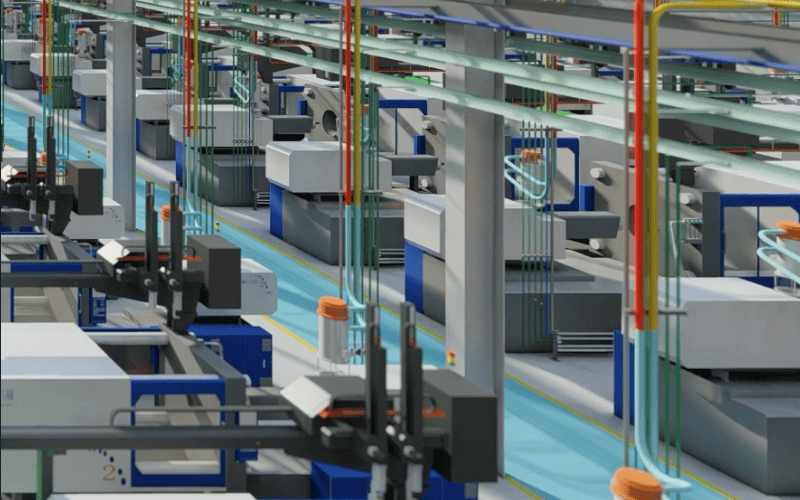
In modern plastic processing facilities, material handling is often the invisible bottleneck that limits productivity. While much attention is paid to injection molding machines, extruders, and blow molders, the system that feeds raw materials to these machines — the central conveying system — directly impacts uptime, material quality, and operational costs. Understanding how to optimize your central conveying setup can unlock significant efficiency gains across your entire production line.
中央搬送システムとは何ですか?
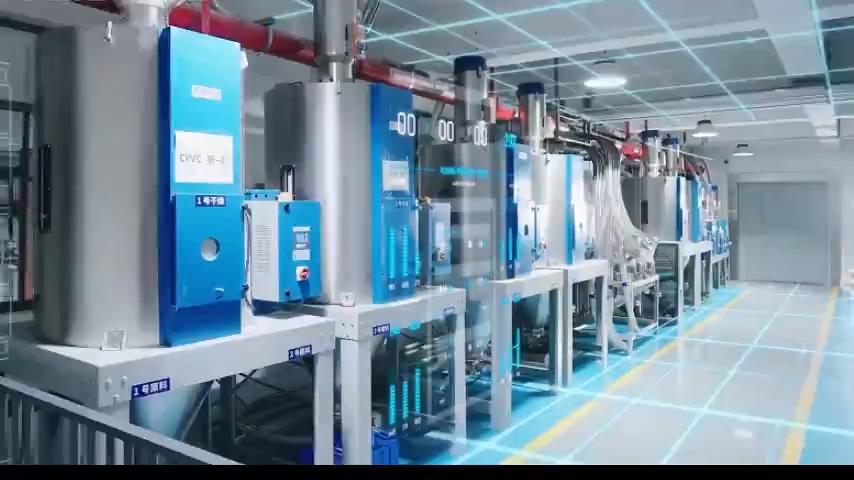
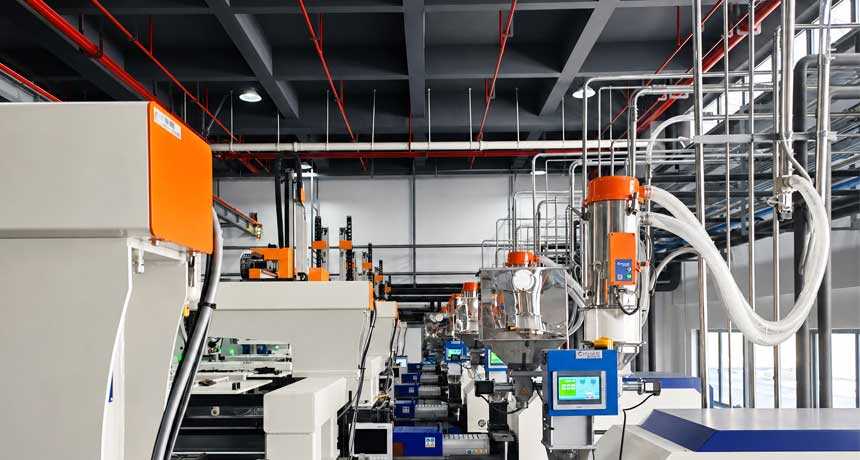
A central conveying system is an automated material handling network that transports plastic resin pellets from a central storage area — such as silos, bulk bags, or storage bins — to individual processing machines throughout the factory floor. Unlike manual material feeding, which relies on operators carrying bags and filling hoppers, a central system uses vacuum or pressure-driven pneumatic conveying to move materials through sealed pipelines.
Core Components
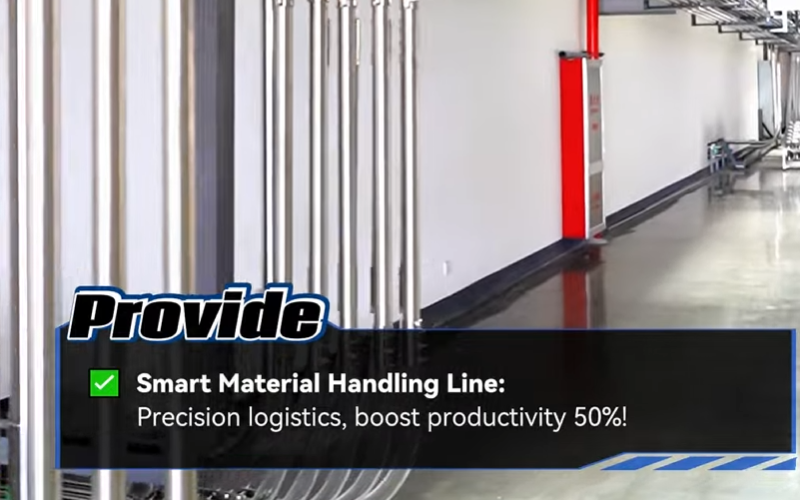
A typical central conveying system consists of several key components working in coordination. The vacuum pump or blower generates the air flow that drives material movement. The material receiver, mounted on each processing machine, separates resin pellets from the conveying air. The central control panel manages the sequence of loading requests from all connected machines, ensuring each hopper receives material when its level sensor detects a low condition. The pipeline network connects everything, typically using stainless steel or aluminum tubing designed to minimize pellet damage and static buildup.
Vacuum vs. Pressure Conveying
Most plastic processing plants use vacuum conveying, where negative pressure pulls material through the pipeline. This approach is preferred because any leaks in the system draw air inward rather than releasing dust and resin particles into the factory environment. Pressure conveying, where positive pressure pushes material, is less common but can be effective for long-distance transport or when moving material to elevated storage locations.
Key Benefits of a Well-Designed Central Conveying System
Eliminating Manual Material Handling
The most immediate benefit of a central conveying system is the elimination of manual material transport. Operators no longer need to carry bags of resin across the factory floor, climb ladders to fill machine hoppers, or risk contamination from open material containers. This reduces labor costs, minimizes workplace injuries, and frees operators to focus on value-added tasks such as quality inspection and process optimization.
Preventing Material Contamination
In a sealed central conveying system, raw materials travel through closed pipelines from storage to the processing machine without exposure to ambient air, dust, or human contact. This is especially critical for medical-grade plastics, food-contact materials, and optical-grade resins where even minor contamination can result in rejected batches. The closed system also prevents cross-contamination between different materials or colors running on adjacent machines.
Consistent Material Supply and Reduced Downtime
Automatic level sensing and on-demand loading ensure that each processing machine never runs dry. When a machine’s hopper level drops below the set point, the central controller immediately triggers a loading cycle. This eliminates the production stoppages that occur when operators forget to refill hoppers, and it maintains consistent melt conditions by preventing the hopper from running completely empty before refilling.
Energy Efficiency Through Centralized Operation
A single central vacuum pump serving multiple machines is significantly more energy-efficient than individual loaders on each machine. Modern central conveying systems incorporate variable frequency drives that adjust pump speed based on demand, reducing energy consumption during periods of low conveying activity. Some advanced systems also feature energy recovery from the vacuum pump exhaust, redirecting warm air for facility heating during colder months.
Design Considerations for Optimal Performance
Pipeline Layout and Material Selection
The conveying pipeline layout must minimize bends and vertical lifts, as each change in direction increases pressure drop and material degradation. Long-radius elbows should be used instead of sharp 90-degree bends to reduce pellet fracturing and angel hair formation. Pipeline material selection — typically stainless steel or anodized aluminum — should account for the abrasiveness of the material being conveyed; glass-filled resins, for example, require more wear-resistant piping.
Throughput Calculation and Pump Sizing
Properly sizing the central vacuum pump requires calculating the total conveying demand across all connected machines. This involves determining each machine’s material consumption rate, the number of loading cycles per hour, and the conveying distance from storage to each receiver. Undersized pumps result in slow loading times and production delays, while oversized pumps waste energy and can cause excessive material velocity that damages pellets.
Filtration and Dust Management
Every central conveying system must include effective filtration to prevent dust and fines from reaching the vacuum pump. Receiver-mounted filters capture airborne particles at each loading station, while a central dust collector handles the main exhaust stream. Regular filter cleaning and replacement schedules are essential — clogged filters reduce conveying capacity and can cause system-wide pressure drops that affect all connected machines.
Industry 4.0 Integration and Smart Monitoring
Modern central conveying systems increasingly incorporate Industry 4.0 capabilities that transform material handling from a utility function into a source of actionable production data. Real-time monitoring of conveying cycles, material consumption rates, and pump performance enables predictive maintenance scheduling. Integration with plant-wide Manufacturing Execution Systems allows automatic material traceability from the receiving dock to the finished product, supporting quality management requirements such as ISO 9001 and IATF 16949.
結論
A well-designed central conveying system is far more than just a material transport mechanism — it is a strategic investment that improves product quality, reduces operating costs, and supports regulatory compliance. For plastic processing plants looking to improve overall equipment effectiveness, upgrading from manual feeding or outdated conveying systems to a modern, automated central conveying solution should be a high-priority consideration. The return on investment typically comes not only from direct labor savings but from the cumulative benefits of reduced contamination, consistent production, and lower energy consumption across the entire operation.