


Central vs. Machine-Side Material Handling: Choosing the Right Conveying Strategy for Your Plant

Material conveying is the backbone of any plastics processing facility. Every kilogram of resin that enters a machine — whether injection molder, extruder, or blow molder — must travel from storage to the processing throat reliably, consistently, and without contamination. The fundamental architectural decision every plant manager faces is central conveying vs. machine-side loading. This choice affects not just capital expenditure, but ongoing energy costs, maintenance complexity, material changeover flexibility, and the ability to scale production in the future.
Understanding the Two Architectures
Central Conveying Systems
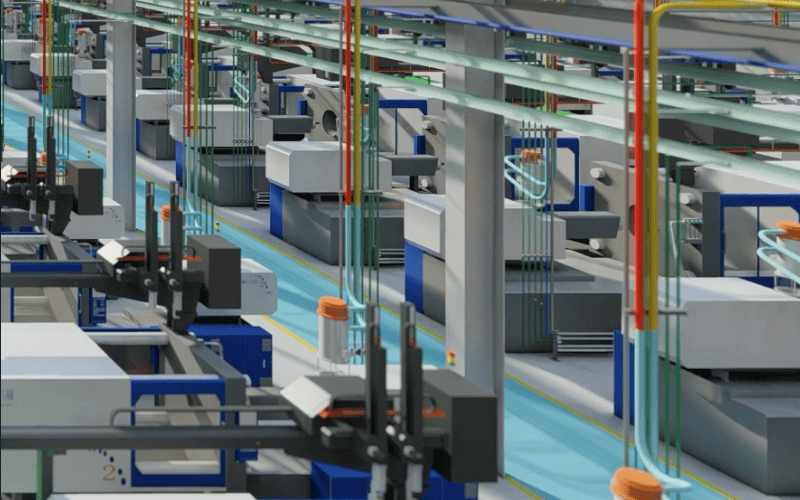
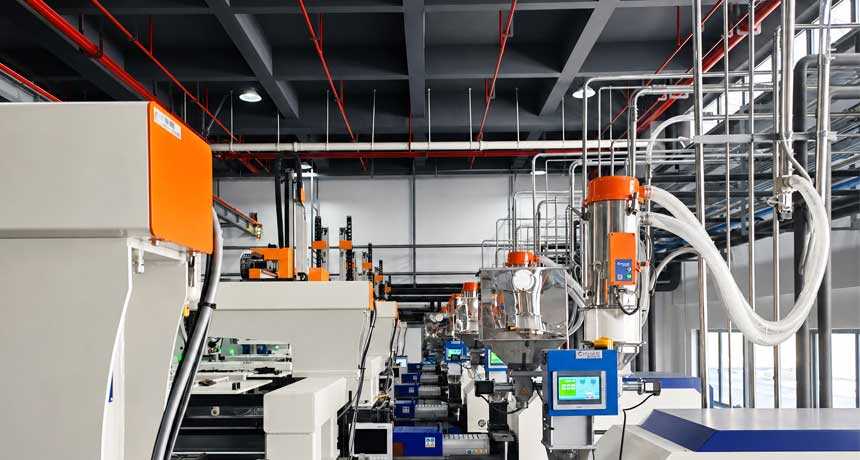
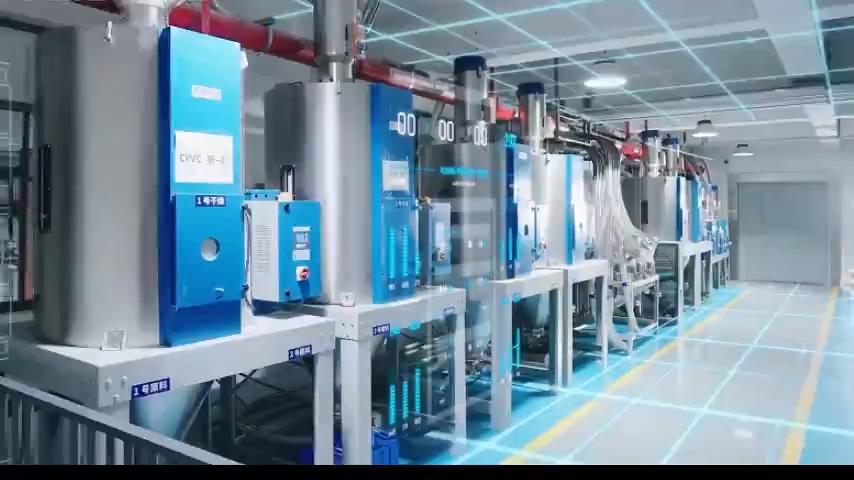
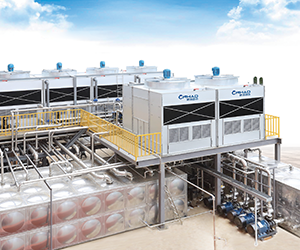
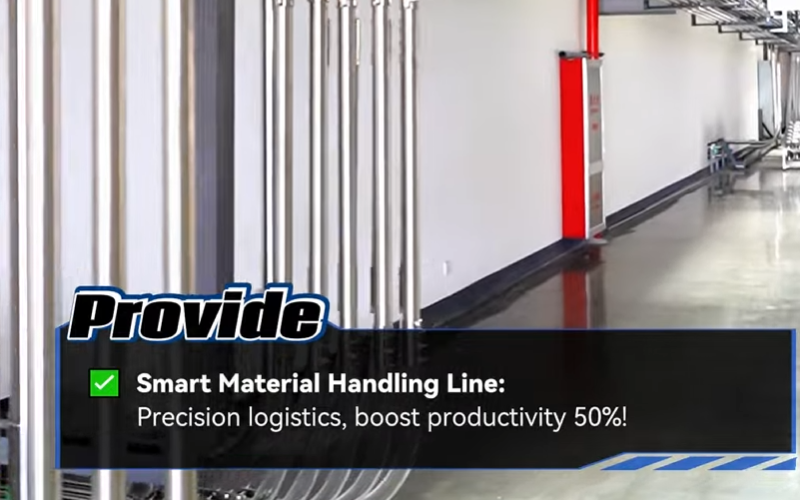
A central conveying system uses a single vacuum pump (or a bank of pumps) connected to a network of piping that spans the entire production floor. Resin is pulled from a central storage area — silos, bulk bags, or gaylord boxes — through the piping network to individual receivers at each machine. The pump generates vacuum, the material travels through the lines, and a receiver with a filter separates the pellets from the airflow before dropping them into the machine hopper.
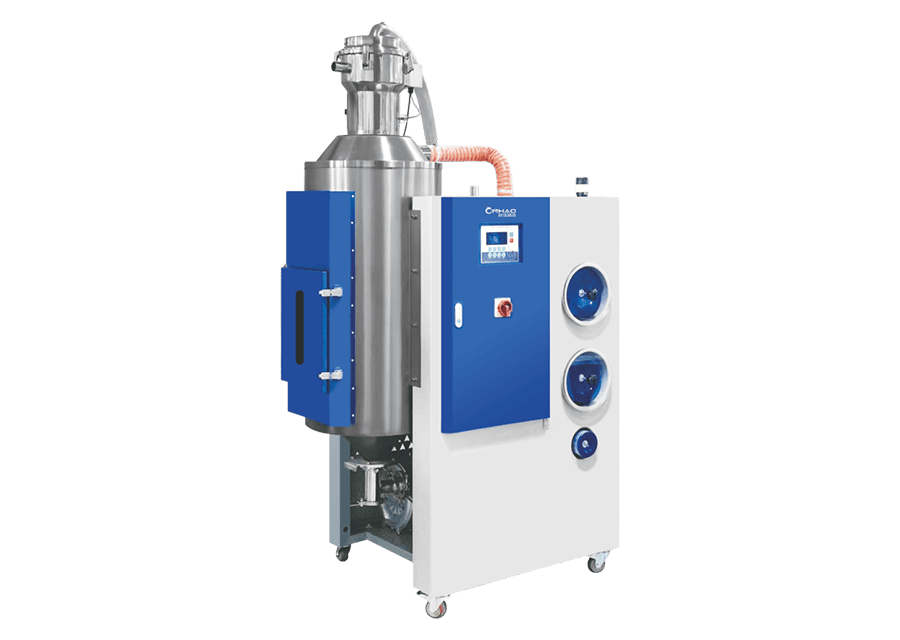
The key advantage is scale: one pumping system serves dozens of machines, and material is handled in bulk from a single location. This minimizes the labor of moving boxes and bags across the floor, reduces contamination risk from open containers, and centralizes drying when a central dryer is integrated upstream.
Machine-Side (Standalone) Loading
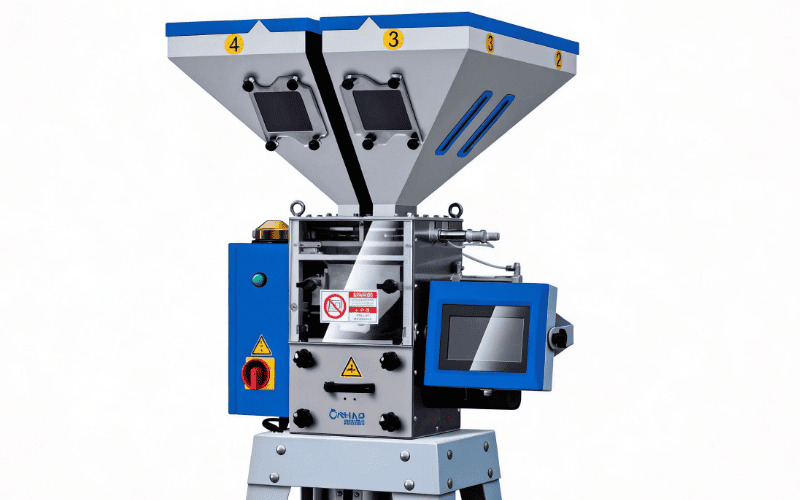
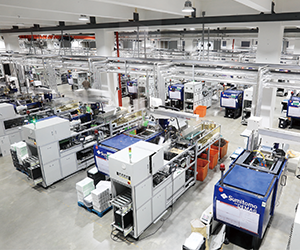
Machine-side systems place an individual loader — typically a self-contained vacuum loader with its own small pump — directly on or beside each processing machine. The loader pulls material from a nearby container: a gaylord box, a small bin, or a drying hopper. There is no facility-wide piping network.
The key advantage is independence: each machine operates autonomously. If one loader fails, only one machine stops. Material changes are quick and localized — you switch the pickup wand to a different container and purge the short hose, without affecting neighboring machines.
Decision Factor #1: Production Scale and Machine Count
The break-even point for central conveying typically falls around 8 to 12 machines. Below this threshold, the fixed costs of piping, pump sizing, and controls integration outweigh the labor savings of centralized material handling. Above 15 to 20 machines, central conveying almost always wins on total cost of ownership — the pump utilization rate increases, the piping cost per machine drops, and the labor reduction becomes substantial.
However, machine count alone is not the deciding factor. A plant with 25 machines running the same material is an ideal candidate for central conveying. A plant with 25 machines running 15 different materials with frequent color changes may find that machine-side loading provides the flexibility they need, even at the cost of additional labor.
Decision Factor #2: Material Diversity and Changeover Frequency
This is where the architectural choice has the most operational impact. Consider two scenarios:
Scenario A — High-volume, low-variety production: A plant molding polypropylene automotive components in black, running 24/7 with material changes once per week or less. Central conveying is the clear winner. The piping stays dedicated to one or two materials, purge requirements are minimal, and the labor savings from bulk handling are maximized.
Scenario B — Custom molding with frequent changeovers: A job shop running ABS, PC, PA6, PA66, POM, and PBT in multiple colors, with material changes multiple times per shift. Here, a central system creates a purge and cross-contamination challenge. Every material change requires purging the piping run from the central station to the machine — which can be 50 meters or more. The purge material itself becomes waste, and the time spent purging reduces machine uptime. Machine-side systems, with their short hose runs (typically 3 to 5 meters), minimize both purge waste and changeover time.
The practical compromise many plants adopt is a hybrid approach: central conveying for high-volume, low-variety materials (natural PP, natural ABS) and machine-side loaders for specialty engineering resins and color-critical applications.
Decision Factor #3: Facility Layout and Infrastructure Constraints
Central conveying requires overhead piping — typically 2-inch to 4-inch aluminum or stainless steel tubing suspended from the ceiling or on elevated support structures. In existing facilities, ceiling height, existing ductwork and conduit, and structural load capacity may limit or complicate installation. Piping runs longer than 100 meters require careful engineering to maintain conveying velocity and avoid material degradation from excessive impact at bends.
Machine-side systems have essentially no infrastructure requirements beyond floor space for the material container beside each machine. This makes them the default choice for rented facilities, temporary production lines, or plants where management is unwilling to invest in permanent infrastructure.
Decision Factor #4: Energy Consumption
A central vacuum pump serving 20 machines is more energy-efficient than 20 individual loaders, but only if the system is properly designed with variable-frequency drives (VFDs) and demand-based control. Older central systems with fixed-speed pumps running continuously consume far more energy than the sum of individual loaders that cycle on only when needed.
Modern central systems use VFD-controlled pumps with a demand signal from each receiver — the pump ramps up only when one or more receivers call for material, and the speed adjusts to match the number of active loads. In this configuration, central conveying can achieve 30% to 50% lower energy consumption per kilogram conveyed compared to equivalent standalone loaders, because large industrial vacuum pumps operate at higher efficiency than the small fractional-horsepower blowers in individual units.
Decision Factor #5: Maintenance and Downtime Risk
This is the central system’s Achilles’ heel. If the central vacuum pump fails, every machine stops. Redundancy — a second pump on standby with automatic failover — mitigates this risk but adds capital cost. Filter maintenance on a central system is critical but centralized: one filter station to service rather than twenty.
Machine-side loaders offer inherent fault isolation. A failed loader affects one machine, and spare units can be kept on the shelf for immediate swap-out. Maintenance can be performed during production on other machines. For plants where uptime is the overriding metric — medical device manufacturing, automotive tier-1 suppliers with just-in-time delivery obligations — this fault tolerance often tips the decision toward machine-side systems despite higher labor costs.
Dust Collection and Material Segregation
An often-overlooked advantage of central conveying is integrated dust removal. Central systems can include a dust separator at the pump station that removes fines and angel hair generated during conveying before they reach the machine. In machine-side systems, dust tends to accumulate in the loader filter and must be cleaned regularly — a maintenance task that is easily deferred and eventually causes loader performance degradation.
For applications where material segregation (de-mixing) is a concern — particularly with blends containing fillers like glass fiber or mineral — the conveying velocity and bend geometry in a central system must be carefully designed. Sharp bends and excessive velocity can cause heavier filler particles to separate from lighter polymer pellets, resulting in inconsistent composition at the machine. Long-radius bends and velocity-optimized piping are essential for filled materials in central systems.
Making the Decision: A Structured Approach
Rather than defaulting to one architecture or the other, the most successful plants evaluate each material stream independently:
- Map material flows: For each material used, document annual volume, number of machines consuming it, changeover frequency, and sensitivity to contamination or moisture.
- Calculate labor costs: Estimate the labor hours required for machine-side material handling (moving containers, connecting wands, cleaning filters) vs. central handling (bulk unloading, occasional purging).
- Model energy consumption: Compare the expected energy cost of a VFD-controlled central pump vs. the sum of individual loader motors, factoring in actual duty cycles based on machine consumption rates.
- Assess downtime tolerance: Quantify the cost per hour of a full-plant shutdown vs. a single-machine stop, and determine whether central pump redundancy is justified.
- Plan for growth: A central system sized for 20 machines today may need to serve 30 machines in five years — ensure the pump and piping are designed with spare capacity, or that the system architecture allows modular expansion without disrupting production.
Conclusion
There is no universally correct answer to the central vs. machine-side conveying question — only the right answer for a specific plant’s mix of materials, production volumes, changeover patterns, facility constraints, and business priorities. The plants that get this decision right are those that treat it as an engineering and economic analysis rather than a preference, and that are willing to deploy hybrid solutions where neither extreme fits all use cases. For most mid-to-large facilities, the optimal configuration is central conveying for bulk commodity materials and machine-side loading for specialty resins and frequent-changeover applications.