




How to Choose a Hopper Dryer for Injection Molding

How to Choose a Hopper Dryer for Injection Molding
Selecting the right hopper dryer is one of the most important equipment decisions in injection molding. The wrong choice can lead to moisture-related defects, inconsistent product quality, and wasted energy. This guide walks you through the key factors to consider when choosing a hopper dryer for your plastic processing operation.
What Is a Hopper Dryer?
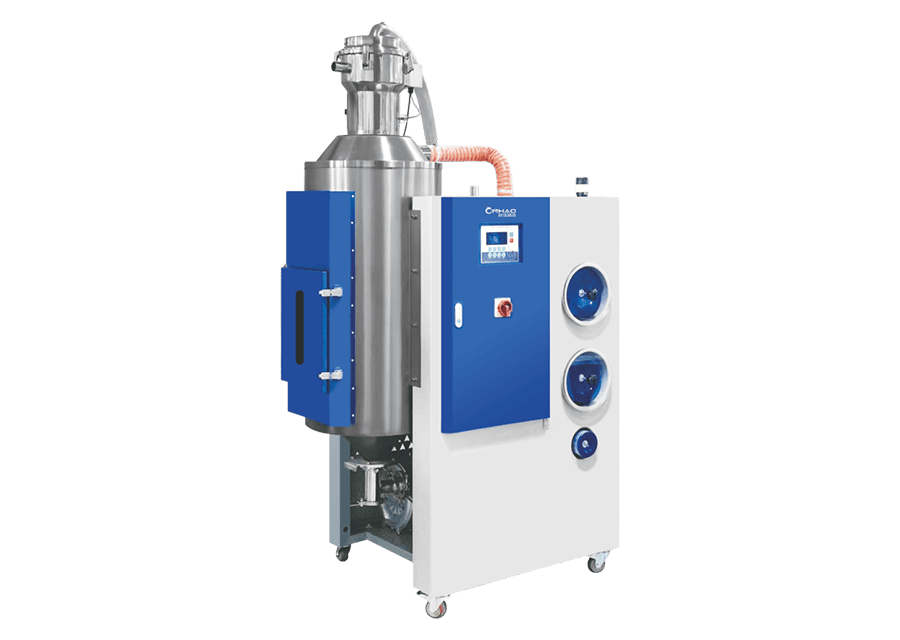
A hopper dryer is a device that uses heated air to remove surface moisture from plastic granules before they enter the processing machine. It consists of a hopper-shaped container, a heating element, a blower, and a thermostatic control. Hot air circulates through the plastic granules, evaporating surface moisture and preheating the material for processing.
Hopper dryers are essential for processing non-hygroscopic materials like polyethylene (PE), polypropylene (PP), and polystyrene (PS). For hygroscopic materials such as PET, nylon (PA), and polycarbonate (PC), a dehumidifying dryer is required instead.
Key Factors in Choosing a Hopper Dryer
1. Drying Capacity and Hopper Size
The hopper capacity must match your injection molding machine’s throughput. As a general rule, the hopper should hold 1.5 to 2 times the hourly material consumption of your machine. This ensures sufficient drying time (typically 1.5-3 hours) while maintaining a steady material supply.
Common hopper sizes range from 25 kg to 1,000 kg. Here’s a quick reference:
| Machine Clamp Force | Hourly Consumption (approx.) | Recommended Hopper Size |
|---|---|---|
| 50-100 tons | 15-30 kg/h | 25-50 kg |
| 100-300 tons | 30-60 kg/h | 50-100 kg |
| 300-500 tons | 60-100 kg/h | 100-200 kg |
| 500-1000 tons | 100-200 kg/h | 200-400 kg |
| 1000+ tons | 200+ kg/h | 400-1000 kg |
2. Temperature Range and Control
Different materials require different drying temperatures:
- PE/PP: 80-120°C
- PS/ABS: 80-100°C
- PC: 120-150°C (requires dehumidifying dryer)
- PET: 160-180°C (requires dehumidifying dryer)
Choose a hopper dryer with a temperature range that covers all materials you process. A digital thermostat with ±2°C accuracy ensures consistent drying. Some advanced models offer multi-stage temperature profiles for optimal drying results.
3. Airflow Design
The airflow pattern within the hopper determines drying uniformity. Look for designs that distribute hot air evenly across the entire material bed. Features to look for:
- Down-blow design – Air enters from the top and exits from the bottom, ensuring even distribution
- Insulated hopper – Reduces heat loss and improves energy efficiency
- Air distribution cone – Prevents channeling and ensures uniform drying
- Hot air recovery – Some models recirculate heated air for energy savings up to 30%
4. Energy Efficiency
Hopper dryers run continuously during production, so energy consumption directly impacts operating costs. Key energy-efficient features include:
- Insulated stainless steel hopper – Reduces heat loss by 20-30%
- Variable frequency blower – Adjusts airflow based on material load
- Timer-based operation – Automatically stops when not needed
- Heat recovery system – Recirculates heated air instead of venting
Energy-efficient models may cost 15-20% more upfront but save 30-40% in operating costs over the equipment’s lifetime.
5. Material and Build Quality
The hopper material affects durability and hygiene:
- Stainless steel (SUS304) – Recommended for most applications; corrosion-resistant and easy to clean
- Painted carbon steel – Budget option for non-corrosive materials only
- Insulated double-wall – Best for energy efficiency and operator safety
Also check the blower quality—brushless motors last longer and run quieter than brushed alternatives.
6. Safety Features
Essential safety features include:
- Overheat protection thermostat
- Motor overload protection
- Thermal fuse backup
- Easy-access cleanout door for material changes
- Cool-down timer before opening
Hopper Dryer vs Dehumidifying Dryer: Which Do You Need?
One of the most common questions is whether to choose a hopper dryer or a dehumidifying dryer. The answer depends on the material you process:
| Feature | Hopper Dryer | Dehumidifying Dryer |
|---|---|---|
| Best for | Non-hygroscopic (PE, PP, PS) | Hygroscopic (PET, PA, PC, ABS) |
| Drying principle | Hot air | Dehumidified air (low dew point) |
| Dew point | Ambient (no control) | -40°C or lower |
| Cost | Lower ($500-$3,000) | Higher ($2,000-$15,000) |
| Energy use | Moderate | Higher (requires desiccant regeneration) |
If you process both hygroscopic and non-hygroscopic materials, consider a three-in-one integrated dryer that combines drying, conveying, and feeding in one unit.
Common Hopper Dryer Problems and Solutions
Problem: Uneven Drying
Cause: Poor airflow distribution or overfilled hopper.
Solution: Fill to 70-80% capacity maximum; check air distribution cone for blockage.
Problem: Material Yellowing or Degradation
Cause: Drying temperature too high or drying time too long.
Solution: Reduce temperature by 10°C; implement timer-based operation to prevent over-drying.
Problem: High Energy Consumption
Cause: Poor insulation, heat loss through hopper walls.
Solution: Upgrade to insulated hopper; install heat recovery system; use timer to stop dryer during breaks.
Installation and Maintenance Tips
- Install the hopper dryer directly above the machine’s feeding port to minimize material transfer distance
- Clean the hopper thoroughly between material/color changes
- Inspect and clean the air filter weekly
- Check heating element resistance monthly
- Calibrate the thermostat quarterly
- Replace blower bearings annually (or per manufacturer recommendation)
Conclusion
Choosing the right hopper dryer requires matching capacity to your machine’s throughput, selecting the appropriate temperature range, and prioritizing energy efficiency features. For non-hygroscopic materials like PE and PP, a well-insulated hopper dryer with digital temperature control and heat recovery provides excellent performance and ROI. For hygroscopic materials, invest in a dehumidifying dryer with honeycomb rotor technology.
Streamline Eco Tech (CNHAO) manufactures a full range of hopper dryers and dehumidifying dryers with energy-efficient designs, insulated stainless steel construction, and digital controls. View our drying equipment range or nous contacter for personalized sizing assistance.
Related: Central Feeding System: Complete Guide | Mold Temperature Controller Selection Guide | Hopper Dryer vs Dehumidifying Dryer | Plastic Auxiliary Equipment Complete Guide | Drying Equipment Products