





Hassas Enjeksiyon Kalıplama Neden Düşük Sıcaklıkta Soğutulmuş Su Gerektirir?

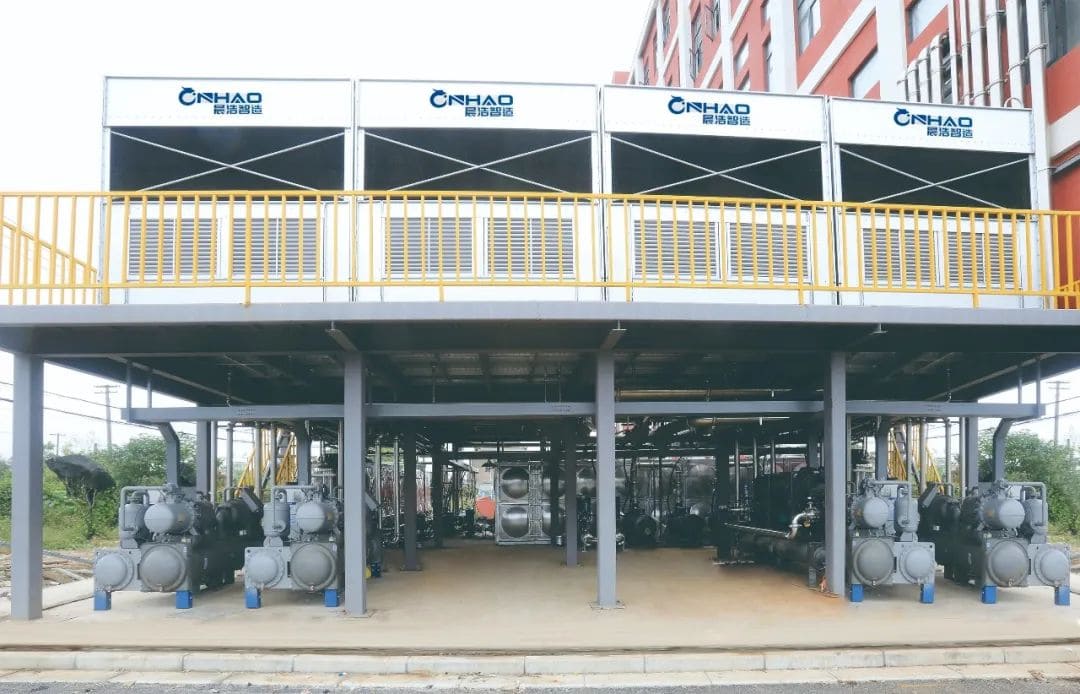
Industrial cooling water systems maintain precise, constant water temperatures based on production process requirements. The rapid advancement in rubber and plastic molding places increasingly high demands on the accuracy of cooling water temperature control. Precision injection molding generates a growing need for rapid mold cooling. However, the reality is that the use of room-temperature cooling water remains widespread in many injection molding factories, with many believing it is sufficient.
While room-temperature industrial cooling water is extensively used in industrial production, precision injection molding sets very high requirements for the development of the rubber and plastic molding field. The following are the three most significant drawbacks of room-temperature cooling water in precision injection molding production:
- Limited Cooling Efficiency:
- Cooling effectiveness is impacted by ambient temperature, unable to meet high-precision or rapid cooling demands.
- Imprecise Temperature Control:
- Difficulty achieving precise temperature control, making it unsuitable for temperature-sensitive processes.
- Susceptibility to Environmental Influence:
- Cooling performance significantly degrades in high-temperature or high-humidity environments.
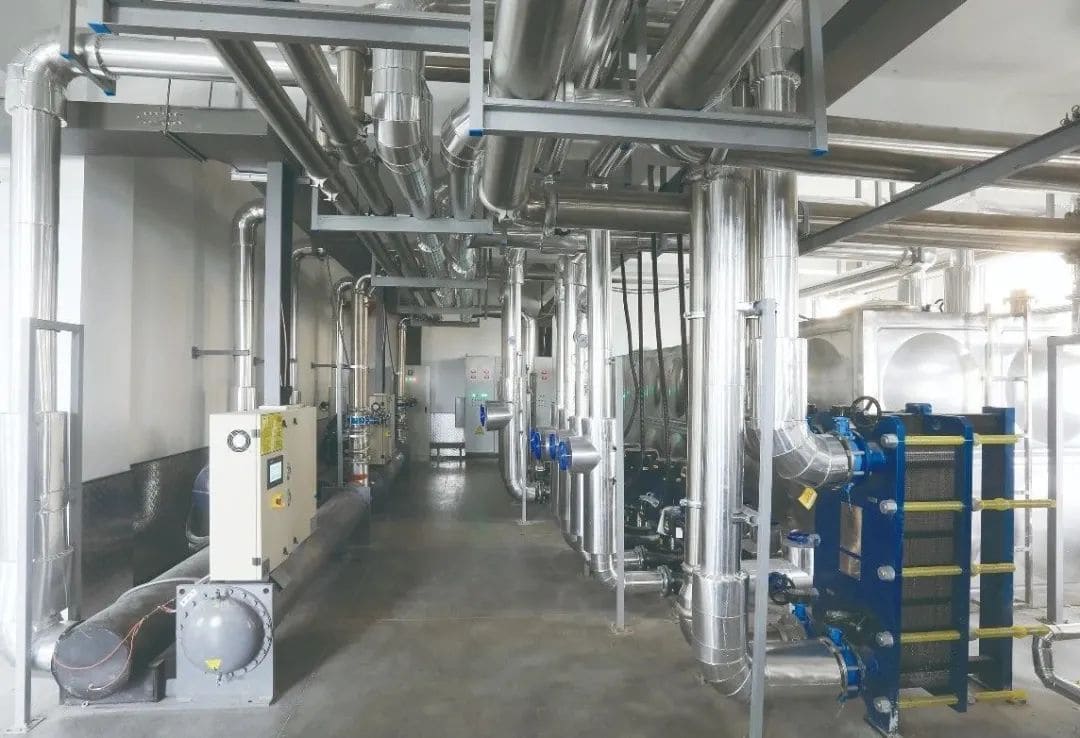
Low-temperature chilled water enables precise and constant cooling temperature control, offering the following crucial benefits in precision injection molding:
1. Enhances Product Quality:
• Reduces Deformation: Rapid cooling minimizes internal stresses, reducing warpage and deformation.
• Improves Surface Finish: Accelerated cooling helps minimize surface defects like sink marks and flow lines, resulting in a smoother finish.
2. Shortens Production Cycle:
• Accelerates Cooling: Low-temperature chilled water rapidly extracts heat from the mold, reducing cooling time and boosting production efficiency.
• Increases Output: Reduced cooling time leads to higher production volume per unit time.
3. Optimizes Material Properties:
• Controls Crystallinity: For crystalline materials, low-temperature chilled water regulates crystallinity, improving mechanical properties.
• Stabilizes Dimensions: Rapid cooling promotes dimensional stability, minimizing the need for secondary operations.
4. Extends Mold Lifespan:
• Reduces Thermal Fatigue: Lower temperature fluctuation within the mold minimizes thermal fatigue, extending mold service life.
• Prevents Overheating: Avoids excessive mold temperatures, lowering the risk of damage.
5. Reduces Energy Consumption:
• Lowers Energy Use: Shortened injection cycle due to faster cooling reduces overall energy consumption.
• Improves Resource Utilization: Decreased scrap rates enhance material utilization.
6. Accommodates Complex Structures:
• Enhances Detail Replication: Low-temperature chilled water aids in the precise molding of intricate details and complex geometries.
In summary, low-temperature chilled water in precision injection molding significantly improves product quality, shortens production cycles, optimizes material performance, extends mold life, saves energy, and enables the production of complex structures.