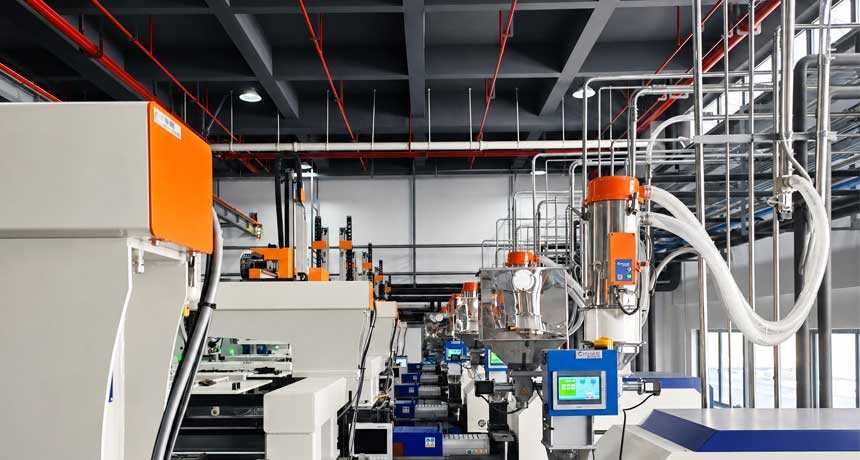
How to plan auxiliary equipment utilities: power demand, process water, compressed air and floor space per press — plus installation sequence and acceptance checks.
Mould dehumidification explained: why condensation forms on injection moulds, which dew point to hold, and how to size a desiccant dehumidifier for the mould area.
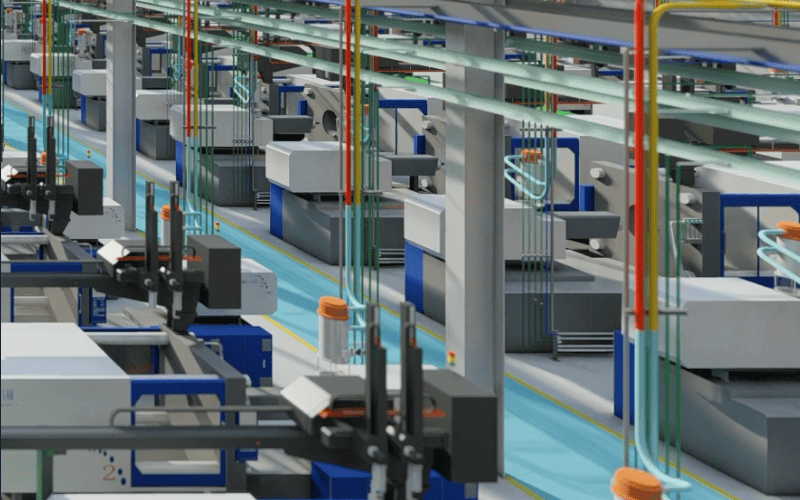
A well-designed central conveying system moves resin, regrind and masterbatch to every machine automatically — continuous delivery, less dust, lower labor cost and less material waste.
Diagnose injection molding defects fast: match splay, black specks, colour streaks and warpage to the auxiliary machine causing them — plus a cost-ordered check sequence.
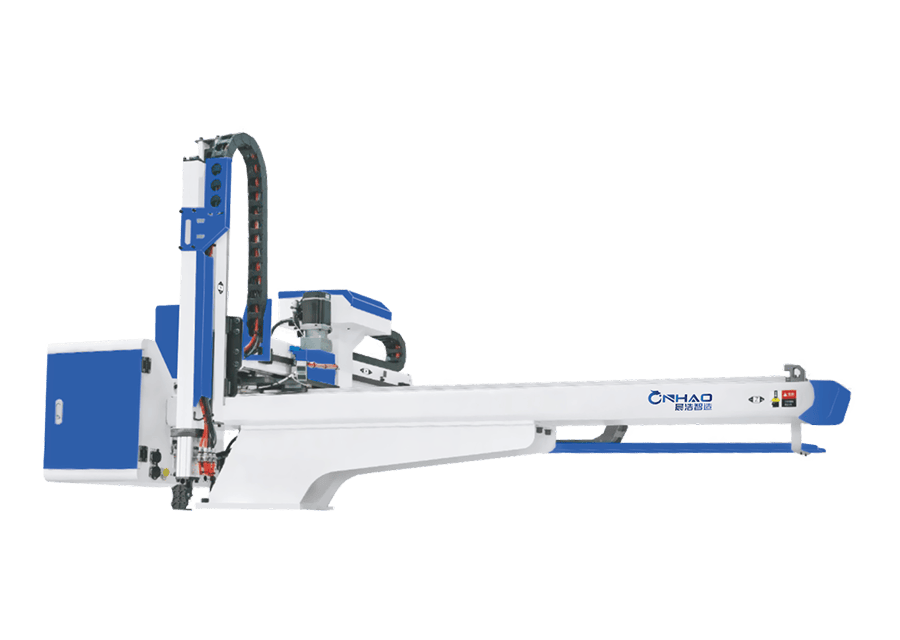
How to choose an injection molding robot: types, payload and stroke sizing, take-out time, EOAT, integration and payback math — plus 6 mistakes to avoid.
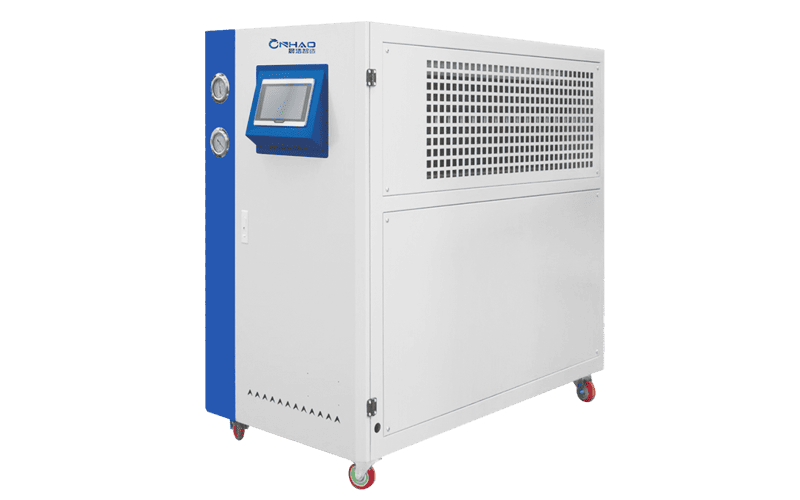
How to choose a water chiller for injection molding: target water temperature, flow and pump head math, circuit zoning, and the specs left off most quotes.
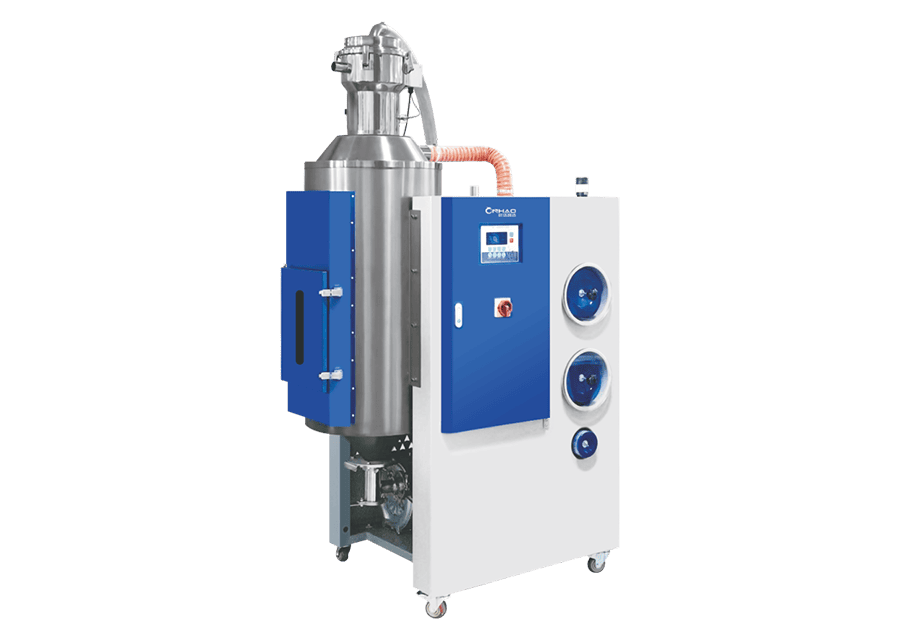
Hot air, desiccant, or compressed air — which dryer technology actually makes sense for your resins? A practical guide to selecting the right plastic resin dryer based on material type, throughput, and operating cost.
Inline grinder-reclaim systems capture production scrap at the source, grind it, and feed it back into the process — often within the same shift. Learn how to design and optimize an inline reclaim strategy that pays for itself in under 24 months.
Central conveying vs. machine-side loading: a comprehensive comparison covering scale, material diversity, energy efficiency, maintenance risk, and a structured decision framework for plastics processing plants.
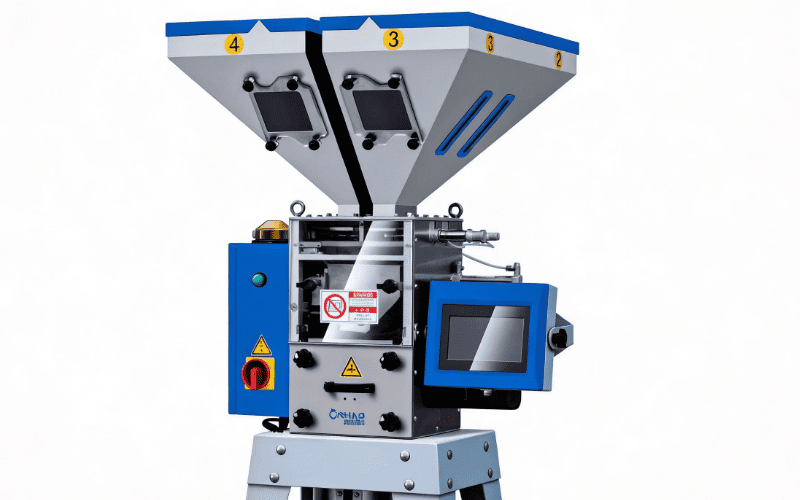
Gravimetric blenders reduce material waste and production costs through precise weight-based dosing. Learn how they compare to volumetric systems, key features to evaluate, and how to calculate ROI for your plastics processing operation.