





CUSTOMER STORIES
BIYI Smart Factory
Small Home Appliance · Injection Moulding Workshop
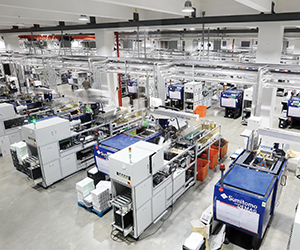
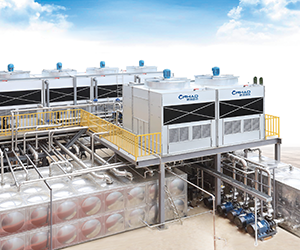
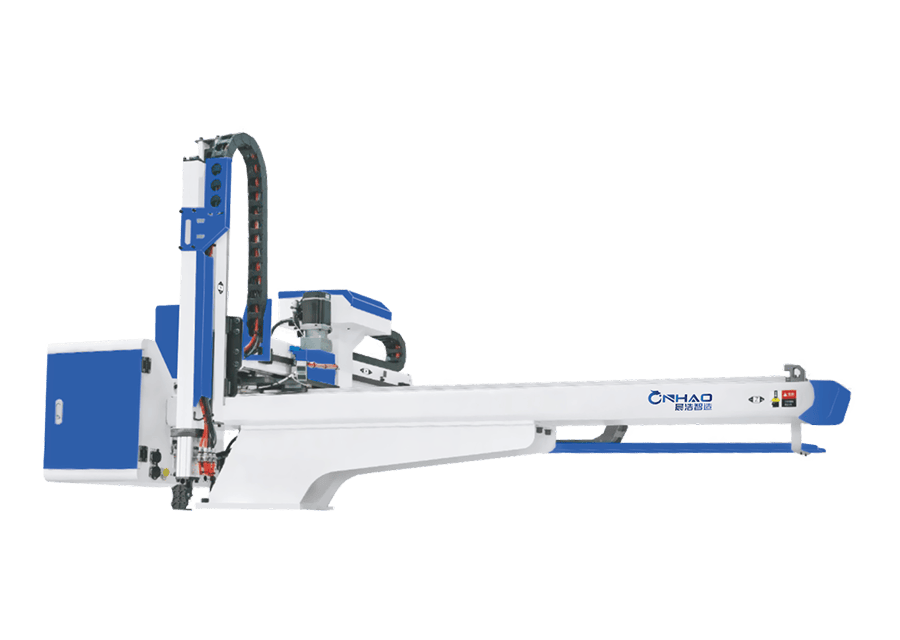
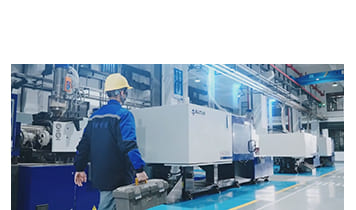
CNHAO supplied a complete auxiliary package for BIYI’s injection moulding workshop: dehumidifying drying, central feeding and mould temperature control, commissioned as one system and monitored from a single control station.
CLIENT
BIYI Smart Factory
SOLUTION
Dehumidifying Drying · Central Feeding · Temperature Control
APPLICATION
Injection Moulding Workshop
LOCATION
Zhejiang, East China
Injection Moulding Plant Package for BIYI Smart Factory
One partner for drying, conveying and temperature control — so every injection machine in the shop runs on the same recipe.
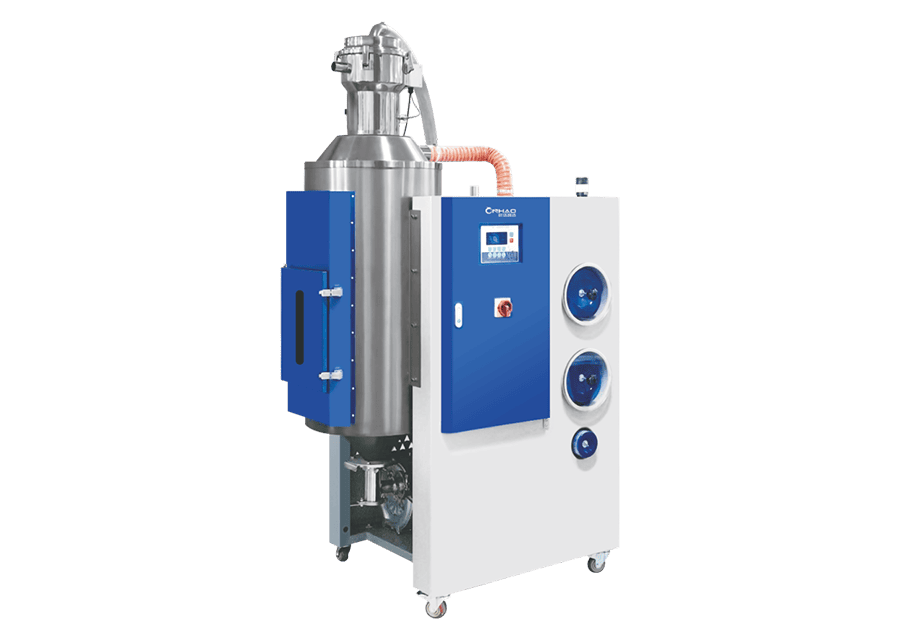
BIYI’s injection workshop runs many presses on the same production schedule. CNHAO sized and supplied dehumidifying dryers matched to each machine’s throughput, a central feeding system that delivers material to every press from one source, and mould temperature controllers that hold the process window shot after shot.
Because the three systems were specified together, they were commissioned together: drying temperature, material level, conveying status and mould temperature all report to one central station, so operators see a drift before a part is scrapped instead of after.
Resin reaches the screw dried to a verified dew point, material arrives without operator handling, and mould temperature stays inside tolerance through long runs — the three conditions that decide whether a workshop holds stable mass production or fights scrap all shift.
Why it matters
Most injection scrap traces back to four variables: wet material, inconsistent drying time, manual feeding errors and drifting mould temperature. Centralised control removes all four at once. With drying, feeding and temperature control supplied and commissioned as one package, BIYI runs the same recipe on every machine, shift after shift.
FAQs
Dehumidifying drying, central feeding and mould temperature control for BIYI’s injection workshop — supplied, installed and commissioned as one package.
Yes. The central feeding and control architecture was specified with spare capacity, so additional presses can be connected without replacing the core equipment.
Dew point and drying temperature are monitored at each hopper and reported to the central control station, so drying condition is recorded rather than assumed.
Installation is phased by zone, so part of the workshop keeps running while new equipment is commissioned and signed off.