





Cooling Water in Injection Molding: Beyond Mere Cooling

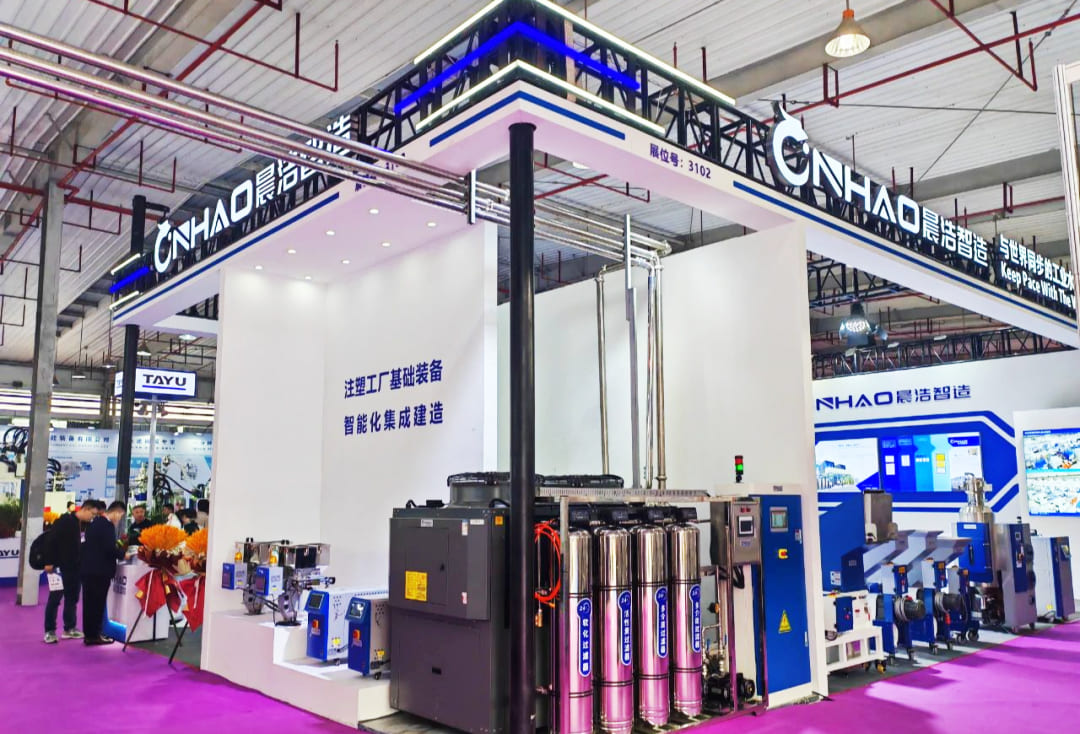
In the injection molding industry, the cooling water system comprises two distinct components: “Equipment Cooling Water” and “Process Cooling Water.” Together, they form a comprehensive system, but serve different functions and applications:
1. Equipment Cooling Water
• Function: Primarily cools critical injection molding machine components like the hydraulic system, motors, screw, and barrel to prevent overheating, damage, or reduced efficiency.
• Application Targets:
◦ Hydraulic Oil Cooler: Prevents excessive hydraulic oil temperature, ensuring stable system operation.
◦ Motors & Drives: Prevents motor overheating, extending equipment lifespan.
◦ Screw & Barrel: Controls temperature during plasticization, preventing material degradation.
• Characteristics:
◦ Requires relatively low water temperature, typically near or slightly below ambient.
◦ Requires stable flow rate and pressure for consistent, efficient machine operation.
2. Process Cooling Water
• Function: Primarily cools the mold and the molded product itself, ensuring product quality and production efficiency.
• Application Targets:
◦ Mold Cooling: Circulates through channels within the mold to precisely control mold temperature, enabling rapid and uniform cooling.
◦ Product Cooling: Directly affects dimensional stability, surface quality, and internal stress distribution of the final part.
• Characteristics:
◦ Water temperature requires precise regulation based on material and product requirements.
◦ Flow rate and pressure require careful design to ensure uniform cooling across all mold sections.
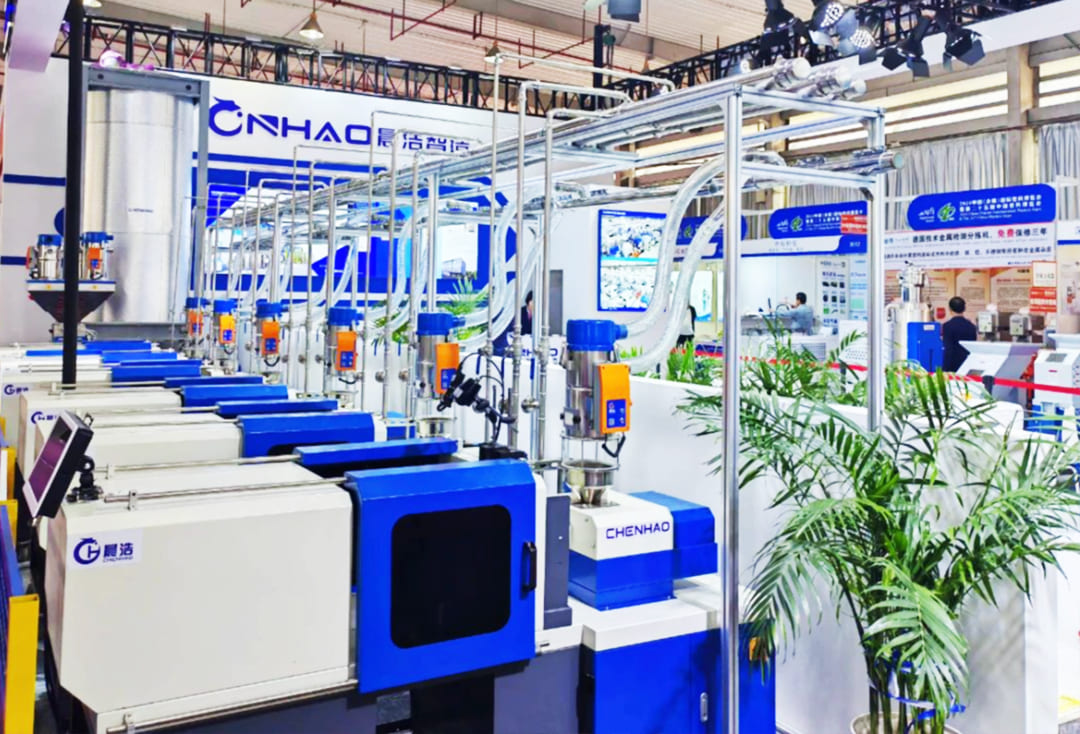
3.The Integrated Cooling Water System
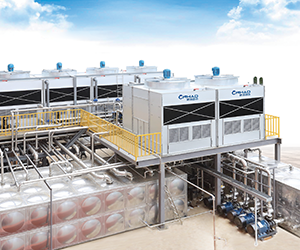
In practice, injection molding plants often utilize a single, integrated cooling water circulation system that supplies both equipment cooling water and process cooling water. Distribution and control are managed through separate piping circuits and control units.
Advantages:
• Resource Consolidation: Shared water source and circulation reduce equipment investment and operating costs.
• Efficient Management: Centralized control allows unified monitoring and adjustment of both cooling loops.
• Energy Efficiency & Sustainability: Water recycling minimizes waste and environmental impact.
4. Key System Control Parameters
Both equipment and process cooling loops require precise control of these parameters:
• Temperature: Adjusted according to equipment and process specifications.
• Flow Rate: Ensures sufficient water supply to prevent localized overheating.
• Pressure: Maintains stable pressure for effective heat transfer.
• Water Quality: Requires regular maintenance (e.g., descaling, filtration) to prevent blockages and corrosion.
Summary: The injection molding cooling water system is an integrated entity combining Equipment Cooling Water and Process Cooling Water. They work synergistically to ensure machine efficiency and product quality stability. Optimizing design and management of this system enhances production efficiency and product quality while reducing energy consumption and operational costs.