




Auxiliary Equipment Budget Guide for Injection Molding

Quick answer: Auxiliary equipment is every machine that supports injection molding but does not make the part — dryers, loaders, mold temperature controllers, chillers, dosers, granulators, and feeding systems. Budget 15–30% of machine capex, roughly $12,000–$38,000 per machine before robots, and size each unit from throughput in kg/h rather than clamp tonnage.
Budget the auxiliary chain as a system: sharing utility plants usually beats per-machine purchases.
>Key takeaways
- Auxiliary equipment is 15–30% of cell capex — rarely the biggest line, always the biggest risk.
- Size from throughput, not tonnage — kg/h and resin type drive every calculation.
- Drying carries the highest energy cost — 0.25–0.45 kWh/kg for hygroscopic resins.
- Phase the purchase — buy cooling, temperature control and conveying first.
- Central systems pay off at scale — usually eight machines or more.
It is 7:10 a.m. on the second day of production in a new six-machine plant, and cycle time is running 18% longer than the quotation promised. The machines and molds are fine. The chiller was sized from clamp tonnage instead of throughput, so mold temperatures drift after four hours and every part waits for steel that never reaches setpoint.
Two bays away, a dryer bought by hopper liters instead of residence time leaves polyamide parts with splay at a steady 4% scrap rate. Across the aisle, an undersized granulator cannot keep up with sprue volume, and an operator loses 40 minutes per shift hand-feeding it.
All three are auxiliary equipment decisions, not machine decisions. This guide covers what belongs in the package, what it costs, how to size it, and the order in which to buy it.
What Does Auxiliary Equipment Include in an Injection Molding Plant?
Auxiliary equipment is every machine that supports the injection molding process but does not produce the part itself. A molding machine is not auxiliary equipment, and neither is the mold. Everything else the process needs — drying, conveying, dosing, heating, cooling and reclaim — belongs in this budget.
Most plants group it into six functions:
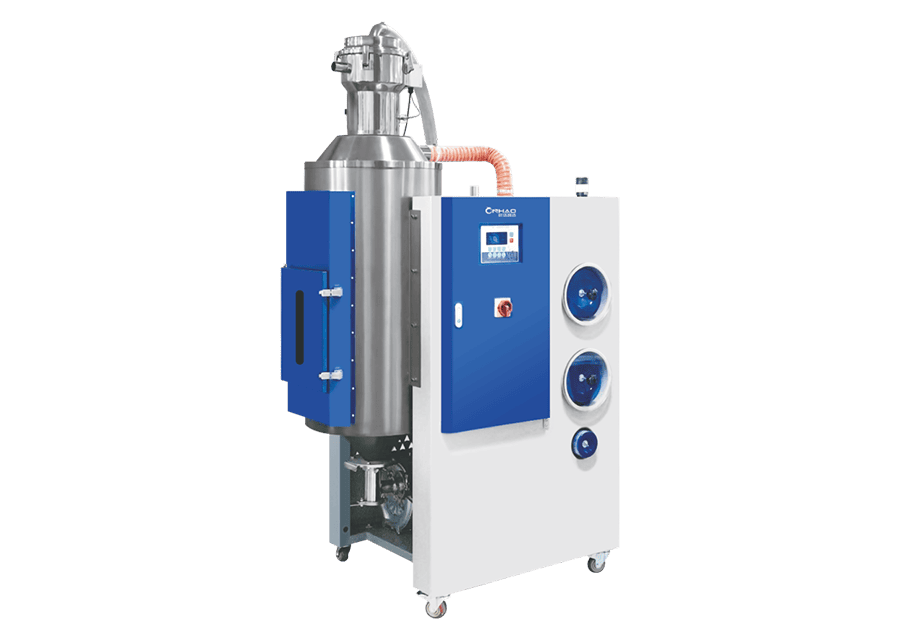
- Material drying — removes moisture from hygroscopic resins such as PET, PA and PC. Dew point is the spec that matters, typically −40 °C.
- Conveying and feeding — loaders and central systems move resin to the hopper at 300–800 kg/h.
- Dosing and blending — gravimetric or volumetric blenders meter virgin resin, regrind and masterbatch.
- Mold temperature control — water units hold 20–120 °C; oil units reach 180 °C.
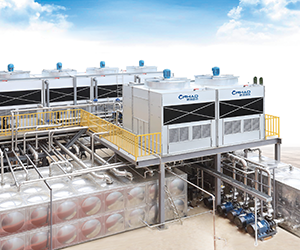
- Process cooling — chillers, towers and pumps remove heat from molds, barrels and hydraulics.
- Size reduction — granulators cut sprues into regrind at 3–15 kW.
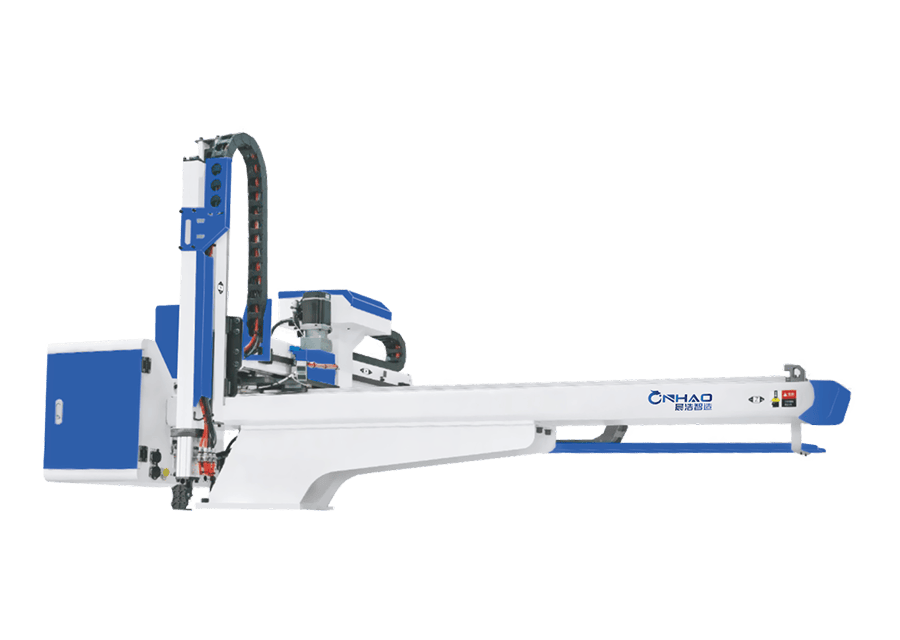
Robots and their tooling sit on the boundary and are usually budgeted separately. For a category-by-category breakdown, see our plastic auxiliary equipment complete guide.
How Much Does Auxiliary Equipment Cost per Molding Machine?
Prices below are 2026 budget bands for standard specs on 160–400 ton machines. Central systems are shared, so both package price and per-machine share are shown.
| Auxiliary equipment | Typical specification | Price band (USD) | Buy type |
|---|---|---|---|
| Hopper dryer | 50–200 kg/h, dew point −40 °C | $1,500–$6,000 | Per machine |
| Vacuum loader | 300–800 kg/h | $600–$2,000 | Per machine |
| Temperature controller (water) | 90–120 °C, 6–12 kW | $900–$2,500 | Per machine |
| Temperature controller (oil) | up to 180 °C, 9–18 kW | $1,800–$4,500 | Per machine |
| Gravimetric doser / blender | 2–4 components | $2,500–$9,000 | Per machine |
| Beside-the-press granulator | 3–15 kW | $2,000–$7,000 | Per machine |
| Industrial chiller | 20–60 kW per machine share | $2,000–$6,000 share | Central |
| Central drying system | 100–500 kg/h, dew point −40 to −60 °C | $12,000–$45,000 | Central |
| Central feeding system | 4–12 feeding points | $3,000–$9,000 per point | Central |
| Takeout robot | 3–20 kg payload | $8,000–$25,000 | Optional |
Here is what that adds up to. A six-machine plant running PP closures and ABS housings needs six dryers at $2,800 ($16,800), six loaders at $900 ($5,400), six water temperature controllers at $1,400 ($8,400), one 140 kW chiller ($28,000), four dosers at $4,500 ($18,000), three granulators at $3,500 ($10,500), six-point central feeding ($27,000) and a cooling tower with pumps ($12,000). Total: about $126,100, or $21,000 per machine.
Against six machines at roughly $120,000 each, the package lands near 17.5% of machine capex. Typically the molding machine is 55–70% of cell capex, the mold 10–25%, and auxiliary equipment 15–30%.
How Do You Size Auxiliary Equipment for a New Plant?
Three calculations cover most of the package at budget stage. Each starts from throughput, because flow rate — not clamp tonnage — sets heat load and residence time.
Dryer hopper capacity: Capacity (kg) = throughput (kg/h) × residence time (h). Residence time is 2–3 h for ABS and PC, 3–4 h for PA, and 4–6 h for PET. Heater power runs roughly 0.25–0.40 kW per kg/h of throughput, with desiccant regeneration adding 15–25%.
Chiller capacity: Q (kW) ≈ throughput (kg/h) × 0.40 for PP and PE, × 0.55 for ABS and PC, × 0.70 for PET preforms. One refrigeration ton equals 3.517 kW, and size the tower at about 1.25 times chiller heat rejection.
Temperature controller: water units run 6–12 kW at 30–60 L/min and 2–4 bar; oil units run 9–18 kW. Hot-runner molds usually need a second zone, which means a second unit.
Worked example: six machines at 40 kg/h of ABS equals 240 kg/h. Dryer hopper per machine is 40 × 3 = 120 kg at roughly 14 kW. Chiller load is 240 × 0.55 = 132 kW, about 37.5 TR, so a 140 kW chiller with a 175 kW-class tower is right. Final specs need the resin data sheet and mold design, but these estimates budget within 10%. Deeper methods are in our chiller sizing guide and our PET drying system guide.
Which Auxiliary Equipment Should You Buy First?
Not every item has to arrive before day one, and pretending otherwise is how budgets break. Three phases work for most new plants:
- Phase 1 — before first shot: mold temperature controller, process cooling, vacuum loader, a granulator sized for sprue volume, and a dryer if the resin is hygroscopic.
- Phase 2 — within 90 days: gravimetric doser, central feeding, and a second temperature control zone for hot-runner molds.
- Phase 3 — defer until volume justifies it: central drying, full feeding automation, takeout robots, and dedicated regrind lines.
Being honest about where cheap equipment is correct saves real money. For one to three machines running PP or PE, machine-side dryers at $1,500–$3,000 beat a central desiccant system at $20,000–$45,000, because non-hygroscopic resin needs little more than warm air. Central drying earns its price at roughly eight machines or more. The reverse trap is equally common: a $600 loader on a 24/7 line fails within months and costs more in downtime than a $1,800 unit. Streamline Eco Tech quotes both options side by side for this reason.
Central feeding deserves the same test: our smart central feeding system guide walks through the machine count and labor cost at which it pays back, usually inside 18–24 months.
What Utilities and Floor Space Does Auxiliary Equipment Need?
This package is often approved before anyone checks whether the building can feed it. The table gives planning figures per machine.
| Auxiliary equipment | Electrical load | Water | Compressed air | Floor space |
|---|---|---|---|---|
| Hopper dryer | 4–14 kW | — | 0.2 Nm³/h | 1.0–1.5 m² |
| Vacuum loader | 1.1–2.2 kW | — | 0.5–1.0 Nm³/h | Machine-mounted |
| Temperature controller | 6–18 kW | — | — | 0.4 m² |
| Chiller (per machine share) | 6–8 kW | 10–15 m³/h loop | — | Plant room |
| Granulator | 3–15 kW | — | 0.3 Nm³/h | 1.0–2.0 m² |
| Central feeding (share) | 2–5 kW | — | 0.5 Nm³/h | Plant room |
| Total per machine | 15–30 kW | 10–15 m³/h | 1.5–2.5 Nm³/h at 6 bar | 2–4 m² |
On energy, these units typically draw 0.25–0.60 kWh/kg of processed material, against 0.30–0.60 kWh/kg for the molding machine itself. That is 30–50% of plant electricity, which is why drying and chilling come first in any efficiency project. Our plant energy audit guide shows how to measure it.
For the six-machine plant above, plan for 130–180 kW of connected auxiliary load, a 60–90 m³/h water loop, and 35–60 m² of plant room. Lead times run 2–4 weeks for standard units and 8–16 weeks for central systems, so design the plant room before the machines ship. Streamline Eco Tech supplies a utility schedule with every quotation for exactly this reason.
FAQ
What is auxiliary equipment in injection molding?
Auxiliary equipment is every machine that supports molding without making the part: dryers, loaders and feeding systems, dosers, mold temperature controllers, chillers and granulators. Robots are usually budgeted separately.
How much does auxiliary equipment cost for a new molding plant?
Expect $12,000–$38,000 per machine before automation, or 15–30% of cell capex. A six-machine plant typically lands near $120,000–$160,000 with central chilling and feeding.
What auxiliary equipment do I need to start molding?
The minimum package is a mold temperature controller, process cooling, a vacuum loader, a granulator, and a dryer if the resin is hygroscopic such as PET, PA or PC. Dosing and feeding can follow within 90 days.
Should I buy central or machine-side auxiliary equipment?
Machine-side units win for one to three machines and non-hygroscopic resins. Central drying and feeding pay back at roughly eight machines or more, or when resin value makes manual handling expensive.
How much electricity does auxiliary equipment use?
Auxiliary equipment uses about 0.25–0.60 kWh/kg, or 30–50% of plant electricity. Drying is the largest item at 0.25–0.45 kWh/kg for hygroscopic resins, then cooling at 0.15–0.35 kWh/kg.
What is the most common sizing mistake?
Sizing from clamp tonnage instead of throughput. Tonnage says nothing about how many kilograms per hour must be dried or cooled, which is why undersized chillers and dryers cause most lost capacity in new plants.
Bottom Line
Auxiliary equipment is 15–30% of cell cost and a disproportionate share of the risk. Size every unit from kg/h, budget $12,000–$38,000 per machine before robots, and phase the purchase so cooling, temperature control and conveying arrive first. Check the building before ordering: 15–30 kW per machine, 10–15 m³/h of water, and 8–16 weeks of lead time for central systems. Streamline Eco Tech sizes complete auxiliary equipment packages from resin data sheets and cycle times, and will say plainly when a cheaper unit is the better buy.
For a category-by-category overview, start with our plastic auxiliary equipment complete guide.