

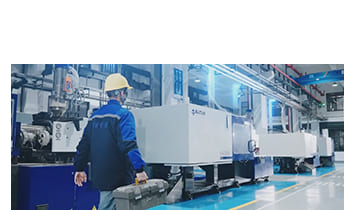


Research on Heat Recovery from Injection Molding Cooling Water Systems and Air Conditioning Systems

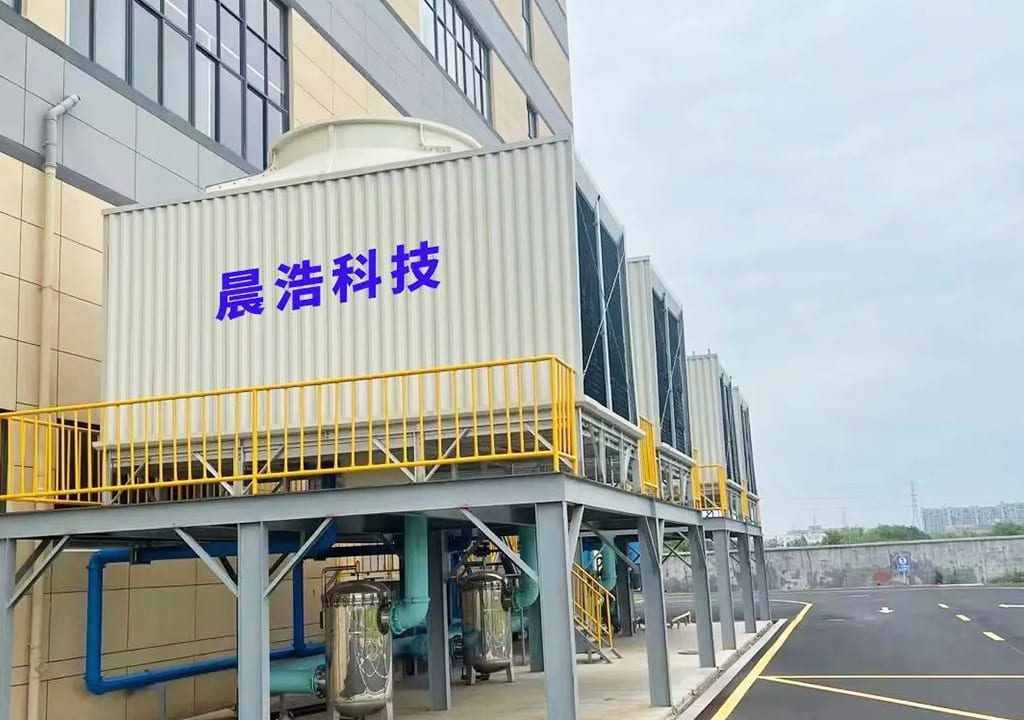
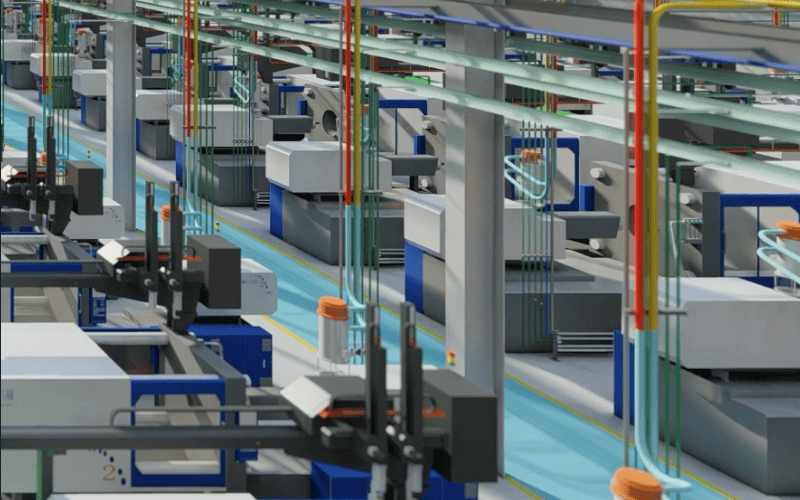
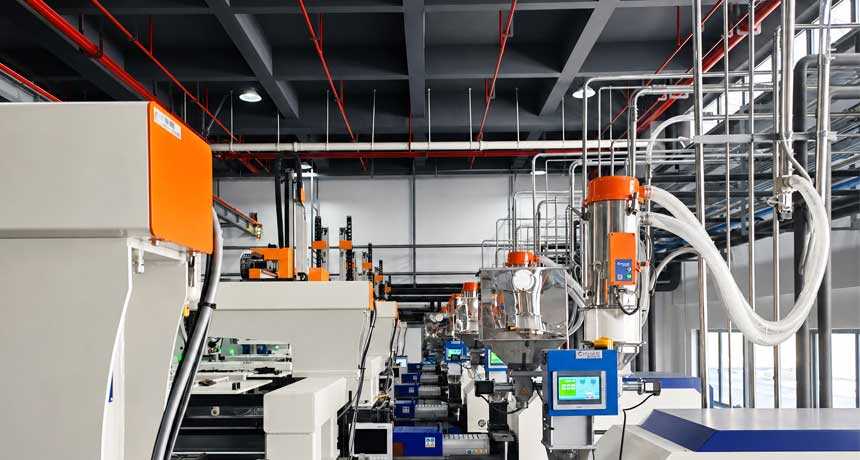
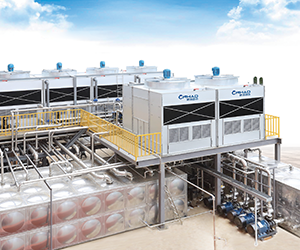
An injection molding cooling water system is an industrial closed-loop recirculating cooling system that uses cooling water within the range of 20°C ~ 30°C as a medium to cool equipment or processes. Its fundamental operational characteristic is temperature reduction control. Essentially, it is understood as a system where cooling water absorbs heat from the load equipment it flows through, then dissipates this heat via cooling units (chillers) before being recirculated.
When exploring the comprehensive utilization of thermal energy within the cooling water system, hardware solutions such as installing plate heat exchangers and heat pump units within the cooling network can enable heat recovery and reuse. However, the actual equipment investment and economic return must be carefully considered.
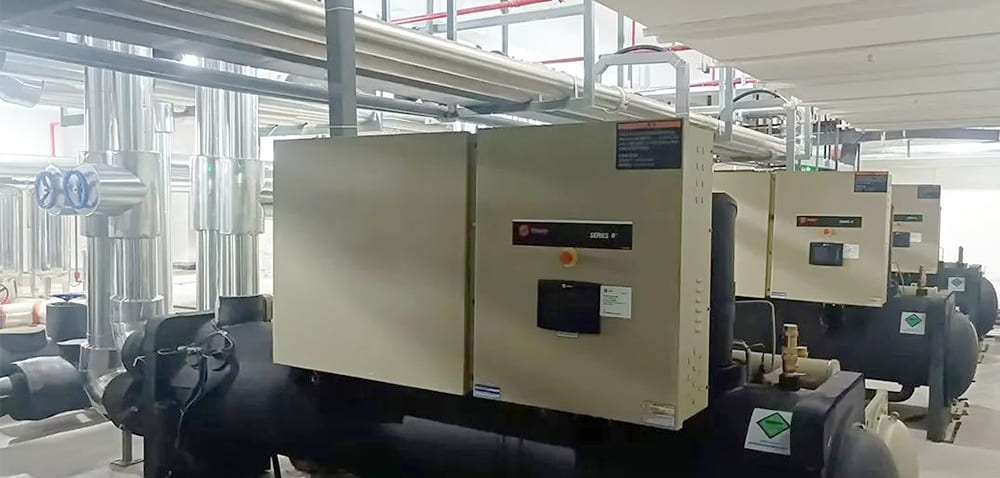
In the field of air conditioning, the recovered heat can theoretically be supplied for space heating. This is feasible, especially in winter when a large portion, or even all, of the heat could potentially be utilized. However, there are two major prerequisites regarding system scale: 1. The installed capacity must be sufficiently large, and 2. The amount of heat available for exchange must be substantial. Regarding process temperature requirements: the cooling water exchange must meet the temperature demands of the injection molding process.
Nevertheless, a significant drawback exists. The period when the industrial cooling water system has its peak cooling demand coincides precisely with the period when the air conditioning system also has its peak cooling demand. Using the systems interconnectedly during these peak periods would increase the required installed capacity of both the refrigeration equipment (chillers) and the cooling units. Therefore, the value of such integration must be critically assessed.
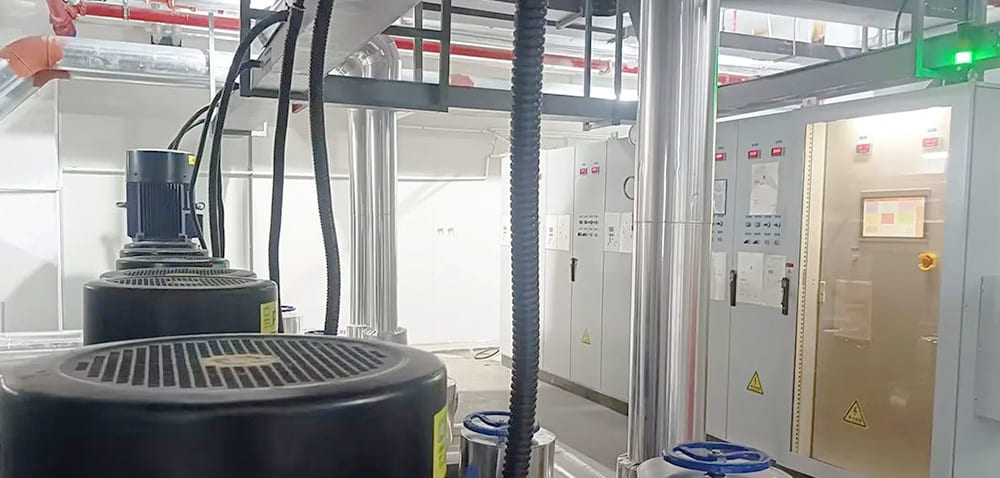
Secondly, utilizing the heat for air conditioning heating introduces a new problem. The industrial cooling water system is a constant-temperature system. When its temperature reaches the control target, the heat exchange from the air conditioning’s heat pump system must be stopped. This frequently leads to situations in practical application where there is no heat available for the heat pump to recover. Consequently, when selecting air conditioning units, the electrical heating power of the auxiliary heating function in the fan coil units cannot be reduced at all. For systems where the overall recoverable heat is limited, the utilization rate of the recovered heat is low, and the economic return is negligible.
Thirdly, integrating the air conditioning units into this heat recovery scheme does not reduce the investment in the core unit equipment. All necessary units (chillers for cooling, heat pumps for heating) must still be installed. It is recommended that clients assess the necessity of heat exchange between the cooling water system and the air conditioning system based on their actual operational demands and current situation.